
Choosing an own freight forwarder means you control the booking, the costs and the papers. Using the supplier’s forwarder is simpler, but you see less.
Many Chinese suppliers offer to "arrange shipping" for you. That is convenient, but the forwarder they pick works for them.
This guide weighs six risks and says when each choice makes sense.
Key takeaways
- Who books freight depends on the trade term you agree. Under FOB the buyer usually books the ocean leg.
- The supplier’s forwarder is fine for small, simple orders from a supplier you trust.
- An own freight forwarder is safer when you want control, clear costs or a second pair of eyes on loading.
- Disclosure: Al Fajar Shipping is a forwarder. Read the checks and judge for yourself.
Transparency
We are a forwarder in Yiwu, so we benefit if you choose your own. That is why the table below lists when the supplier’s forwarder is the better pick.
Own freight forwarder or the supplier’s: the short answer
Choosing your own freight forwarder means you hire and instruct the forwarder directly. That is called nominating a forwarder.
It is common, and suppliers are used to it.
Who books the freight? It depends on the trade term
Start with the trade term. It decides who has the right to choose the forwarder.
Our guide to FOB vs EXW China explains the terms in detail.
| Trade term | Who usually books ocean freight | Own forwarder possible? |
|---|---|---|
| EXW | Buyer | Yes, and you need one for China export |
| FOB | Buyer | Yes, the supplier delivers to the named port |
| CIF | Seller | Harder, the seller books and pays freight |
Source: UPS, Incoterms 2020.
When the supplier’s forwarder is fine, and when your own is better
There is no single right answer. It depends on the order, the supplier and how much you want to see.
| Situation | Supplier’s forwarder | Own freight forwarder |
|---|---|---|
| Small, simple, repeat order from a trusted supplier | Often fine | Optional |
| First order with a new supplier | Risky, you see less | Safer |
| Several suppliers in one container | Hard to coordinate | Better, one point of contact |
| You want costs itemised | Often bundled | Yes, you set the terms |
| You need loading photos and checks | Depends on the supplier | Yes, you instruct them |
Risk 1: You cannot see the real costs
A supplier who offers freight may bundle it into the goods price. You cannot tell what the freight really costs or whether the quote is fair.
With an own freight forwarder you ask for an itemised quote. You can compare it with a second quote.
Risk 2: Delays have no owner
If the supplier’s forwarder misses a sailing, the supplier may blame the carrier and you are left chasing. With your own forwarder, you have one person to hold to the date.
Ask this
"If the container misses the cut-off, who rebooks, and at whose cost?" Get the answer in writing.
Risk 3: Documents may not match
The invoice, packing list and bill of lading must match. When two companies prepare them, small differences appear and cause delays at the destination.
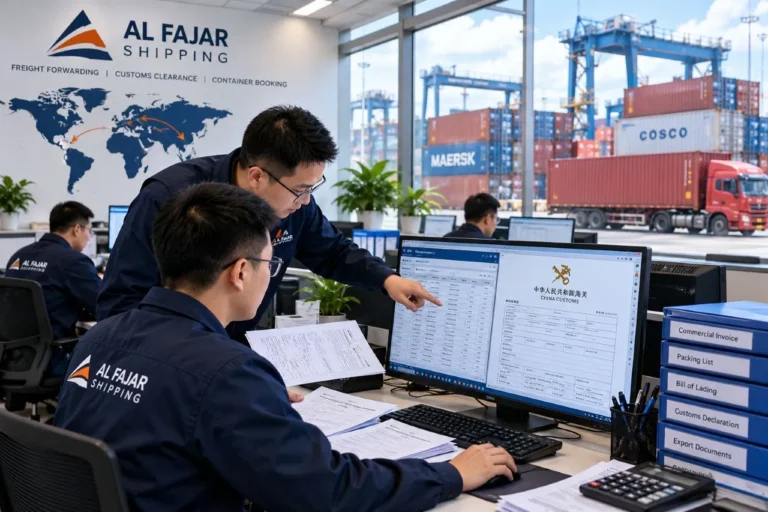
Your own forwarder checks the set before the container sails. See our checklist of export documents and the China customs declaration.
Risk 4: Who controls the bill of lading
The bill of lading is the key document for collecting your cargo. Ask who is the shipper on it and who receives the originals.
If a third party holds the originals and the relationship breaks, you cannot clear the cargo. Agree the process in writing before payment.
Risk 5: Loading and quality are unchecked
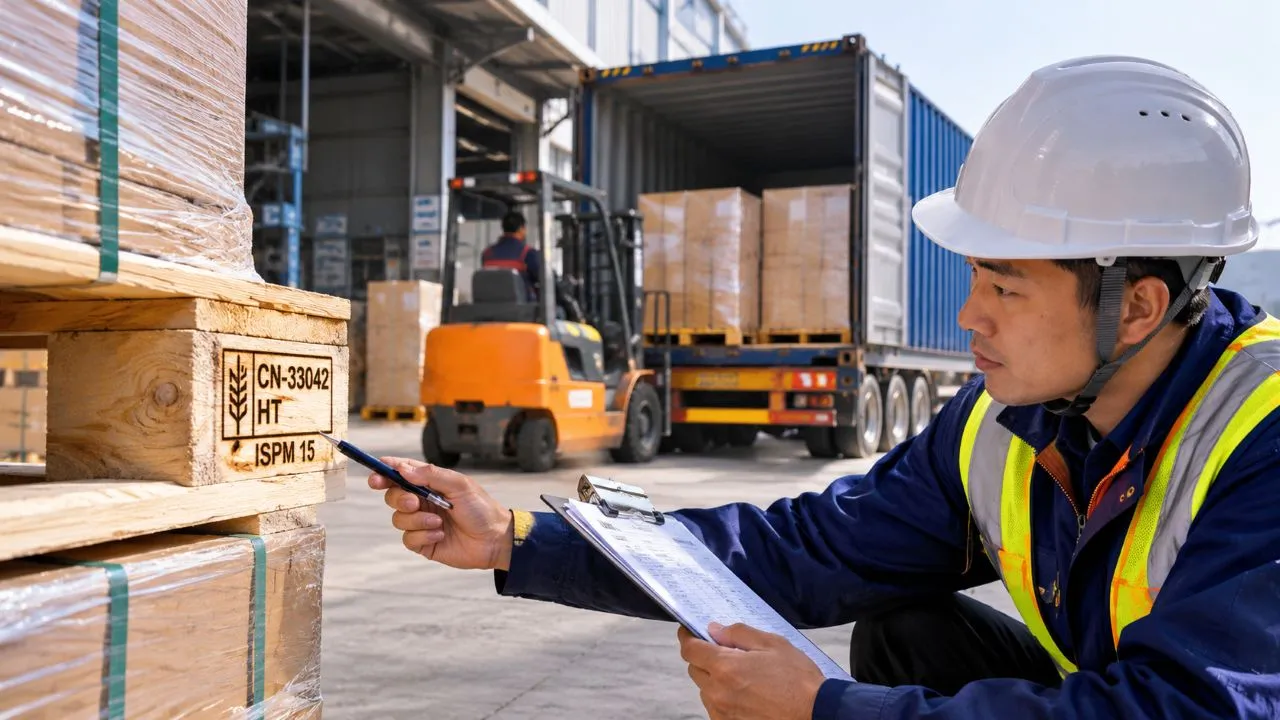
The supplier’s forwarder loads for the supplier. Nobody on your side checks the count, the packing or the seal.

An own freight forwarder can count cartons, take photos and record the seal number. Read how it works in our guide to ship from Yiwu.
Risk 6: A port that does not fit your plan
The supplier may pick a port that suits them, not you. A forwarder that works for you can compare ports for your cargo.
Our guide on Ningbo vs Shanghai port shows how.
How to nominate your own freight forwarder in 4 steps
- 1
Agree the term
Choose FOB or EXW and name the port in the contract.
The term decides who may pick the forwarder.
- 2
Choose the forwarder
Ask for an itemised quote and the sailing options.
Compare at least two quotes on total cost and date.
- 3
Introduce them to the supplier
Send the supplier the forwarder’s contact and the booking details.
Do this early, before the goods are ready.
- 4
Share the cargo-ready dateMost important
Everyone works to one date and one set of papers.
One date keeps the supplier and the forwarder in step.
See our page for a China freight forwarder and the FCL shipping from China process.
Handover email to your supplier
Copy this and fill in the gaps:
Copy and send
Subject: Our forwarder for our order
Hello,
We will use our own freight forwarder for this order. Please contact them to arrange the pick-up or delivery to the port.
Please also send the cargo-ready date, the carton data and the contact for loading. Thank you.
Tap the text once to select it all, then copy.
Most suppliers accept this. If one refuses, ask why.
Questions to ask any forwarder before you choose
- Are the costs itemised in writing?
- Who files the China customs declaration?
- Who is named as shipper on the bill of lading?
- What is the cut-off, and who rebooks if it is missed?
- Can you send loading photos and the seal number?
- Who is my single contact?
Want your own freight forwarder on the China side?
Send your trade term, cargo-ready date and destination port. We reply with an itemised written FCL quote.
Own freight forwarder: your questions answered
Can I use my own freight forwarder when buying from China?
Yes. Under FOB and EXW the buyer normally books the ocean freight, so you can name your own forwarder. Tell the supplier early, share the forwarder’s contact and agree the cargo-ready date.
Is the supplier’s forwarder always worse?
No. For small, simple repeat orders from a supplier you trust, it is often fine. It becomes risky when you cannot see the costs, the documents or the loading, especially on a first order.
Will the supplier agree to use my forwarder?
Most do, because suppliers work with buyers’ forwarders every day. Send the forwarder’s contact and the booking details early. If a supplier refuses, ask why before you pay a deposit.
What does it mean to nominate a forwarder?
It means you choose the forwarder and instruct them directly, then tell the supplier to deliver the goods to them. You control the booking, the costs and the papers, so there is one point of contact.
Who is the shipper on the bill of lading?
It depends on the booking. Ask your forwarder and the supplier who is named before the container sails. The shipper named on the bill matters for collecting the cargo, so agree this in writing.
Do I need my own freight forwarder under CIF?
Under CIF the seller books and pays the ocean freight, so the choice is the seller’s. You can still ask for the forwarder’s name and the bill of lading details so you know who handles your cargo.
How do I compare forwarders?
Ask each for an itemised written quote, the cut-off, the customs declaration process and loading photos. Compare the total and the sailing date, not only the ocean leg. Ask who your single contact is.
Is Al Fajar Shipping a forwarder?
Yes. We are a forwarder in Yiwu and work on the China side only. Your own agent clears the cargo at the destination. We say so in this guide so you can weigh our advice with that in mind.
Sources
- UPS: Incoterms 2020 Which party books freight under EXW, FOB and CIF.
- ICC Academy: Incoterms 2020, FAS or FOB FOB duties and where risk passes.