


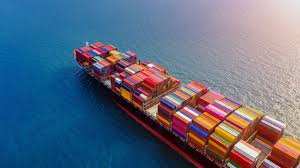
In the world of international trade, the standard 20ft and 40ft dry van containers are the workhorses of the industry. However, for businesses dealing with sensitive, hazardous, or oversized cargo, these standard boxes are simply not enough. Relying on basic equipment for complex goods leads to damaged inventory, heavy fines, and rejected shipments at the port.
The solution requires a deep dive into FCL Special Containers Shipping. Whether you are transporting temperature-sensitive pharmaceuticals or industrial chemicals, understanding the nuances of specialized equipment is the only way to protect your bottom line. Transitioning to a specialized model ensures your cargo arrives in perfect condition while meeting global safety standards. If you are ready to move beyond the “standard box” and secure your high-value goods, start by exploring professional reliable FCL and special container transport options.
Mastering Temperature-Controlled Logistics
The Precision of Reefer Container Shipping Services
For the Perishable Goods Supply Chain, precision is non-negotiable. Reefer Container Shipping Services provide the controlled environment necessary to transport items like fresh produce, seafood, and medical supplies across thousands of miles. These containers act as large, mobile refrigerators that maintain a constant temperature, humidity, and ventilation level throughout the journey.
When calculating your budget, you must consider the Reefer vs Standard Container Cost. Reefer units are significantly more expensive due to the advanced technology, the power required during transit, and the specialized maintenance they need. However, this cost is an essential investment in Temperature Controlled Logistics that prevents total cargo loss.
Managing these goods starts before they reach the port. Pre-cooling and temporary storage in specialized facilities are vital. Therefore, you should utilize a secure storage and distribution hub in China that can handle temperature-sensitive arrivals from the factory before they are loaded into the FCL reefer unit.
Navigating Dangerous Goods (DG) and Hazardous Materials
Safety and Compliance in DG Cargo FCL Shipping
Shipping chemicals, lithium batteries, or flammable liquids requires a completely different set of rules. DG Cargo FCL Shipping (Dangerous Goods) is governed by strict international laws designed to prevent accidents at sea. Failure to comply with these rules doesn’t just result in delays; it can lead to massive legal liabilities.
Importers must adhere to the IMDG Code (International Maritime Dangerous Goods Code), which classifies hazardous materials into nine distinct classes. Understanding this Hazardous Materials Classification is the first step in ensuring safety. Moreover, you must follow all IMO Regulations for DG Shipping, which dictate how goods are labeled, segregated within a vessel, and stowed.
A specialized accurate customs paperwork provider is essential here. They ensure that every detail of your hazardous shipment is declared correctly to the Chinese authorities, preventing seizures or fines before the ship even leaves the dock.
Beyond the Box: Flat Racks and Open Tops
Handling Over-Dimensional Cargo
Sometimes, the challenge isn’t what’s inside the cargo, but the shape of the cargo itself. When goods are too tall or too wide for a standard container, a Special Container Freight Forwarder will recommend Flat Racks or Open Top containers.
- Flat Rack Container Uses: Ideal for heavy machinery, pipes, or vehicles that need to be loaded from the side or top.
- Open Top Container Shipping: Used for bulky items that can only be loaded by a crane from above, such as large glass sheets or industrial boilers.
Understanding Container Specification and Dimensions for these special units is critical. Because these containers often take up more “slots” on a vessel (due to out-of-gauge dimensions), the pricing is complex. This complexity is why many businesses opt for all-inclusive DDP shipping, where the forwarder handles the difficult task of calculating these surcharges and port handling fees upfront.
Documentation and Regulatory Mastery
The Paperwork of Specialized Shipping
Specialized shipping lives and dies by its documentation. For hazardous shipments, the Dangerous Goods Declaration (DGD) is the most important document you will sign. This document certifies that the goods have been packaged, marked, and labeled according to the IMDG Code.
Furthermore, accurate Insulated Container Requirements must be documented for reefer shipments to ensure the carrier provides the necessary power “reefer points” on the ship and at the terminal. Any breakdown in this documentation chain leads to Freight Risk Management failures, where insurance claims may be denied due to non-compliance.
This level of detail is why smart importers choose complete start-to-finish import support. By having one partner manage the factory’s DG compliance and the warehouse’s specialized loading, you eliminate the “blame game” between different service providers.
Strategic Advantage: Partnering with Specialists
Vetting Suppliers for Specialized Goods
The strategic benefit of mastering special containers starts at the sourcing stage. You must ensure your factory understands how to pack for specialized transit. Successful reliable supplier scouting involves vetting vendors not just on price, but on their ability to provide the correct MSDS (Material Safety Data Sheets) and compliant packaging.
Finally, because special container shipments are prone to technical questions from port authorities, you need real-time support. A logistics partner who offers improving buyer communication can bridge the gap between Chinese port officials and your local team, ensuring that technical queries about temperature logs or DG labels are answered instantly.
Conclusion: Future-Proof Your Logistics
Moving beyond standard containers is a necessity for any growing enterprise dealing with complex products. By embracing FCL Special Containers Shipping, you replace logistical risk with technical precision. Whether it’s managing the Reefer vs Standard Container Cost or ensuring 100% compliance with IMO Regulations, specialized equipment is the key to a professional supply chain.
Don’t let your high-value cargo be treated like a standard box. Take control of your specialized logistics today.
Ready to secure a quote for Reefer, DG, or Out-of-Gauge containers? Contact us today to discuss your specialized FCL needs.